
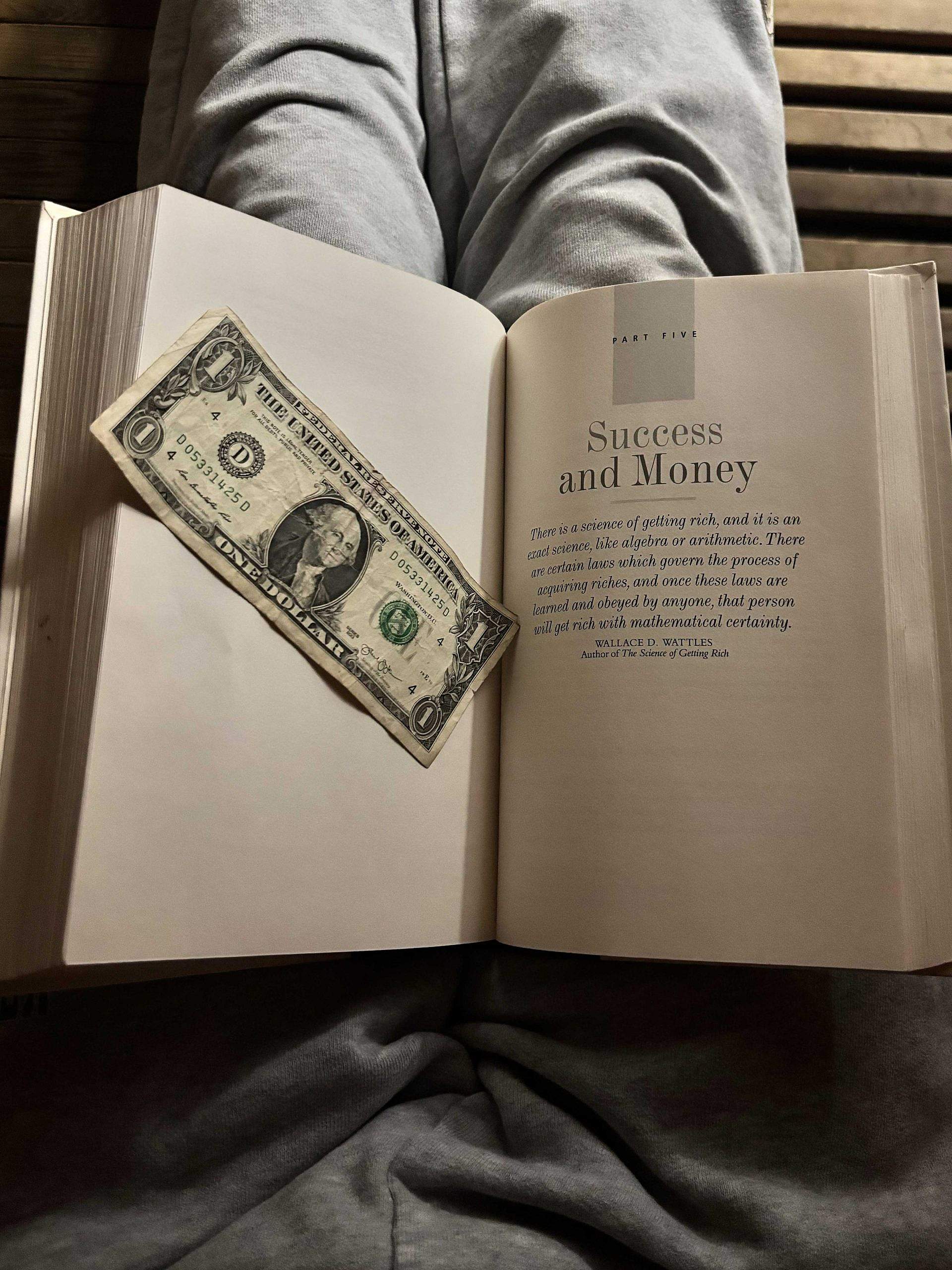
Should you split the bill on a first date? There’s no single right answer. Some couples happily go halves. Others prefer one person to pay. What matters most is that you both feel respected and nobody feels awkward when the bill arrives.
That moment can feel surprisingly loaded. You’ve had a lovely evening, the conversation flowed, and then a small tray lands on the table. Suddenly you’re both wondering what the other person expects. This guide will help you handle it with kindness, confidence and a bit less stress.
TL;DR
- There’s no fixed rule on who pays for a first date.
- A common approach is that whoever asked offers to pay.
- Offering to split the bill is always polite and never insulting.
- Talk about it lightly before the date if you’re unsure.
- Generosity, honesty and respect matter more than who pays.
- Choose a first date that fits both of your budgets.
Who pays on a first date?
Traditionally, the man paid for the first date. Many Christians still value that custom, and plenty of women appreciate it. Others see it as outdated and would rather contribute. Both views are valid, and neither says anything bad about your faith.
Today, a common rule of thumb is simple: whoever asked offers to pay. It shows you planned the date with care. It also takes pressure off the other person, who may not know what you had in mind.
Whatever your view, the key word is offer. Paying is a kind gesture, not a transaction. It doesn’t buy affection, a second date or anything else.
In short: There’s no fixed rule. If you did the asking, offer to pay, and hold that offer lightly.
Is it OK to split the bill?
Yes, it’s completely fine to split the bill on a first date. Many people prefer it. Going halves can feel fair and relaxed, especially when you’re still getting to know each other.
Splitting can also ease any sense of obligation. Some people worry that being paid for creates an unspoken debt. Sharing the cost removes that worry and keeps things equal.
If you’d like to split, say so warmly. Try something like, “I’d love to go halves, if that’s OK with you?” It’s clear, friendly and easy to agree with.
In short: Offering to split the bill is polite and normal. Say it kindly and without fuss.
What if your date wants to pay?
If your date offers to pay and you’re comfortable with it, simply say thank you. A sincere thank you is a gift in itself. You could also offer to get the coffee or dessert, or the next date if there is one.
If you’d genuinely rather pay your share, it’s fine to say so once. Then let it go. A long tug-of-war over the card machine helps nobody.
In short: Receive generosity graciously. If you’d rather contribute, say so once and gently.
What does faith say about money and dating?
The Bible doesn’t tell us who should pay for a first date. It does say a lot about the heart behind how we treat others. Kindness, generosity, humility and honesty all apply here.
Generosity means giving freely, without keeping score. Humility means receiving well, without pride. Honesty means not pretending you can afford more than you can. None of these depend on who ends up paying.
At SALT, we believe dating should keep God at the centre. That includes the small moments, like how you handle the bill. It’s one more chance to show the other person they’re valued.
In short: Scripture gives us the heart, not the rule. Lead with generosity, humility and honesty.
How to bring up the bill without it getting awkward
The easiest way to avoid an awkward moment is to talk about it early. You don’t need a formal conversation. A light comment while planning the date often does the job.
Here are a few simple ways to raise it:
- When you ask: “Can I take you for coffee? My treat.”
- When they ask: “Sounds great! Happy to go halves.”
- At the table: “Shall we split this, or would you let me get it?”
It’s also wise to pick a first date that suits both budgets. A coffee, a walk or a casual lunch keeps the stakes low. You’ll spend less time worrying about money and more time getting to know each other.
In short: Mention it lightly before or during the date, and choose somewhere affordable for you both.
Why it matters less than you think
The bill takes a few seconds. The conversation before it is what you’ll remember. Most people care far more about whether they felt seen, heard and respected.
That’s the heart of SALT’s mission: making dating a little less awkward and a lot more enjoyable, for every single Christian. Whether you split the bill or one of you pays, kindness is what makes a good first impression.
In short: Focus on the person, not the payment. Respect and kindness leave the lasting impression.
FAQs
Should we split the bill on the first date?
You can, and many couples do. Splitting the bill is fair, relaxed and perfectly polite. The most important thing is that you both feel comfortable with the arrangement.
Who should pay on a first Christian date?
There’s no biblical rule. A common approach is that whoever asked offers to pay. Some Christians prefer the traditional custom of the man paying, and that’s fine too.
Is it rude to offer to split the bill?
No. Offering to split the bill is considerate, not rude. Say it warmly, and accept graciously if your date would rather pay.
How do I say no if my date insists on paying?
Thank them sincerely, then offer to cover something smaller, like coffee or dessert. If you’d still rather pay your share, say so once and kindly. Avoid a long back-and-forth.
Does who pays say anything about someone’s intentions?
Not really. Paying, or splitting, is a small gesture. Look at how someone treats you across the whole date instead. Respect, honesty and kindness tell you far more.
Ready for your next first date?
Whether you split the bill or treat your date, the first step is meeting someone who shares your faith. SALT is the Christian dating app made by Christians, for Christians, with over a million members worldwide.
Download SALT on the App Store or Google Play and start meeting single Christians near you today.


Leave a Reply