

When it comes to relationships, especially romantic ones, many of us have questions and doubts that feel complicated. As Christians, we want to honor God in our choices and make sure that we’re not just following our own desires, but seeking His will. One of the common questions many singles wrestle with is whether to date someone from a different background or culture. As a single Christian, this question can be particularly poignant because we are navigating not only personal preferences but also deeper, sometimes less obvious, questions about what our relationships should look like.
It’s understandable to have concerns—our faith, family, community, and cultural backgrounds often play such significant roles in shaping our identities. We want to make wise decisions and consider all the factors that come with being in a relationship with someone who might not share the same upbringing, experiences, or heritage.
That said, as we walk through this journey, there’s one thing we must remember: God calls us to love one another, and the diversity of His creation is part of His perfect design. With this in mind, let’s explore 20 points to guide you as you consider dating someone from a different background or culture.
1. Seek God First
The most important decision in any relationship is whether or not it honors God. The Bible encourages us to seek His will in all things (Proverbs 3:5-6). Before thinking about someone’s background or culture, ask yourself: does this relationship help me grow in my faith? Is this person someone who shares my desire to honor God? Let God guide your heart.
2. Consider Shared Beliefs
Even if someone comes from a different background or culture, the foundation of a Christian relationship should be a shared faith in Christ. It’s important to evaluate if this person has a genuine commitment to following Jesus. Shared beliefs are the key to building a lasting and meaningful relationship.
3. Love Knows No Boundaries
The Apostle Paul reminds us in Galatians 3:28 that in Christ, there is neither Jew nor Greek, slave nor free, male nor female. The love of God transcends all the earthly boundaries that divide us. In Christ, we are all equal. Embrace the diversity of God’s creation—different cultures, backgrounds, and experiences bring richness to the relationship.
4. Cultural Differences Can Enrich Your Relationship
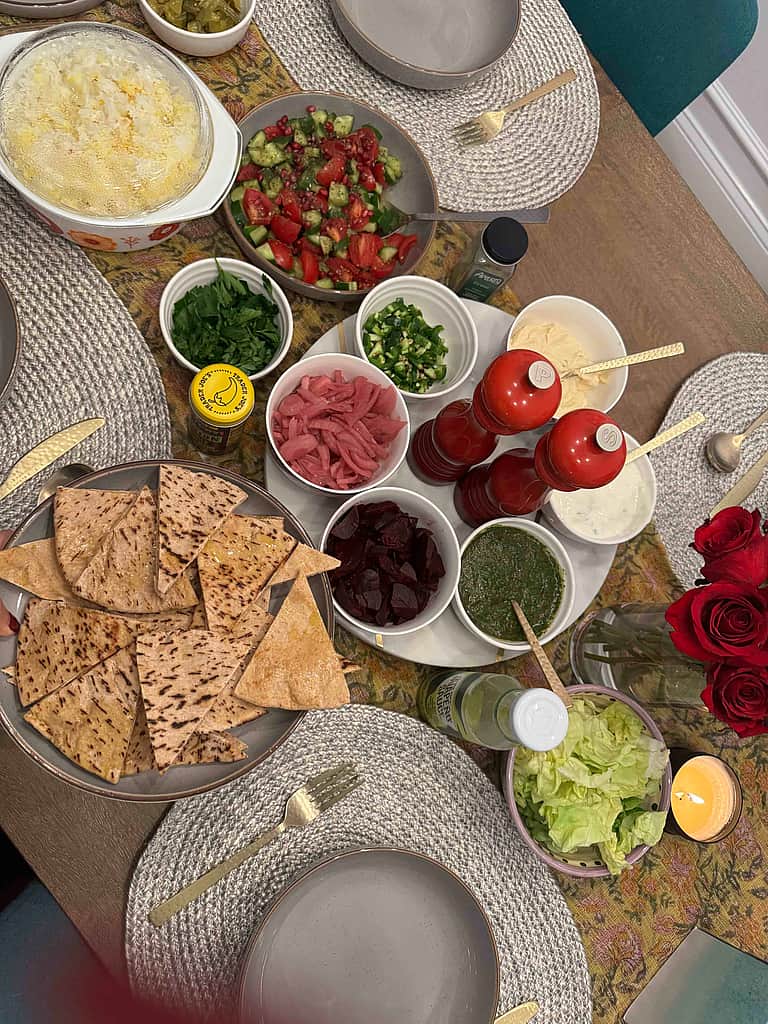
When two people from different cultures come together, it can lead to exciting opportunities to learn from each other. You can experience new foods, customs, holidays, and perspectives. It can be enriching for both individuals, and even more so if you approach it with an open heart.
5. Don’t Assume You Understand Each Other’s Experiences
Cultural backgrounds shape the way we see the world. Just because you are both Christians doesn’t mean that your experiences of faith, family, or even community will be the same. Take the time to learn from each other. Ask questions, and be genuinely curious about their background.
6. Talk About Family and Cultural Expectations
One of the biggest challenges in cross-cultural relationships is the expectations families may have. Some families place significant importance on cultural traditions and customs. It’s vital to discuss with your potential partner how family dynamics might affect your relationship, and be prepared for some adjustments.
7. Communication is Key
In any relationship, communication is essential. But in a cross-cultural relationship, the need for clear communication becomes even more important. Differences in language, idioms, and communication styles can lead to misunderstandings. Being patient and ensuring you both understand each other is vital.
8. Respect Differences
Differences should be respected, not just tolerated. If your partner has practices or traditions that differ from yours, it’s important to approach those differences with respect. Celebrate the opportunity to learn from one another rather than dismissing it because it’s unfamiliar.
9. Find Common Ground
While your cultures may differ, there are always common values and experiences that you both share as Christians. Whether it’s your commitment to serving God, your desire to grow in your faith, or your mutual love for others, finding common ground can help strengthen your relationship.
10. Understanding Is a Process
When dating someone from a different culture, it’s not always easy to understand everything at once. Be patient with yourself and your partner. Recognize that understanding comes with time, and be willing to walk through that learning process together.
11. Embrace Your Differences as Opportunities for Growth
Being in a relationship with someone from a different background can challenge you to grow. You may need to step out of your comfort zone in ways that are uncomfortable at first, but it can also lead to personal and spiritual growth.
12. Celebrate Diversity in Your Relationship
Rather than seeing cultural differences as a barrier, try to view them as an opportunity to bring more beauty into your relationship. Each culture has unique strengths—take time to learn from one another, and celebrate the diversity that each person brings to the table.
13. Address Potential Stereotypes and Bias
Sometimes, we carry unconscious biases or stereotypes about people from different cultures. It’s important to acknowledge these biases and intentionally work toward breaking them down. Engage with your partner with an open heart, and allow God to shape your understanding.
14. Create Your Own Traditions
While it’s important to honor each other’s cultural traditions, you also have the opportunity to create new traditions together. Whether it’s how you celebrate holidays or how you spend time together, make your relationship your own and build something unique that reflects both of you.
15. Pre-Marital Counseling Can Help
If the relationship becomes more serious and you’re considering marriage, pre-marital counseling can provide essential tools to navigate cultural differences and communication. It’s always beneficial to seek guidance from someone who can offer biblical wisdom and perspective.
16. Community and Church Support
As you explore this relationship, seek support from your Christian community. Having a strong support system from church friends or mentors can help provide insight and prayer as you navigate challenges that may arise from cultural differences.
17. Don’t Let Culture Be a Dealbreaker
While cultural differences should be acknowledged, they should not automatically become a dealbreaker. If both of you are committed to honoring God and supporting each other’s growth, cultural differences can be worked through with love and respect.
18. Online Dating Platforms Can Help
Dating platforms like SALT are excellent for Christians who want to find like-minded individuals. They offer a space for singles to connect, with the goal of building meaningful, faith-centered relationships. Whether someone shares your cultural background or not, the most important thing is their faith in Christ.
19. Be Honest About Expectations
It’s important to be upfront with your partner about what you both expect from the relationship. If cultural differences are going to play a significant role in your future, having an honest conversation early on can help both of you understand where you stand and avoid any future miscommunications.
20. Trust God’s Plan for Your Life
At the end of the day, trust that God has a plan for your life, including your romantic relationships. If He leads you toward someone from a different background, trust that He is equipping you both to walk through it together, using each challenge as an opportunity to grow closer to Him.
As you reflect on the question of whether to date someone from a different background or culture, remember that love, understanding, and faith in Christ are the ultimate foundation for any relationship. Cultivate those qualities, and trust that God will guide you as you seek to honor Him in your choices.




Leave a Reply